The Ceasefire Dilemma: Analyzing the Current Diplomatic Stalemate and Domestic Discontent
The geopolitical situation surrounding the Strait of Hormuz is fraught with complexity and tension. Recently, the U.S. President accused Iran of dishonorable actions, claiming that they are obstructing significant portions of a ceasefire agreement. Rather than the anticipated reopening of this vital shipping channel, it remains largely closed, allowing only a limited number of vessels to navigate. This stagnation poses frustrating questions about American strategic interests in the region.
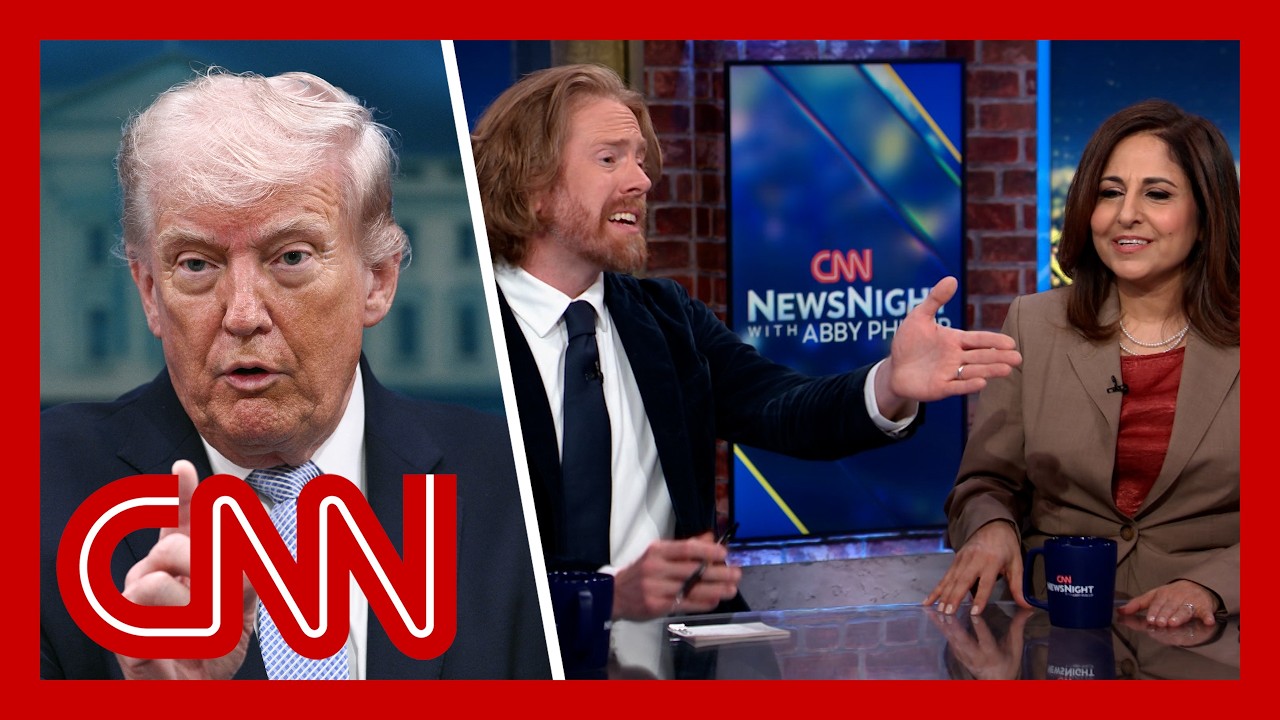
Simultaneously, back on the home front, internal dissent is bubbling among prominent media figures. Notably, former President Donald Trump has taken aim at critics such as Tucker Carlson, Megan Kelly, Candace Owens, and Alex Jones. He labeled these individuals as "low IQ" and "stupid nut jobs," suggesting that their criticisms undermine the "Make America Great Again" (MAGA) ethos that he asserts propelled him to victory in the 2016 election.
The public reaction to Trump’s rhetoric is equally telling. An exasperated commentator questioned, “Can’t he just behave like a normal human?” expressing frustration not only at his inflammatory language but also at the risks associated with such escalation during a sensitive time.
Owens, in a stark divergence from her previous support, branded Trump a "genocidal lunatic," advocating for the invocation of the 25th Amendment. Her remarks highlight a pivotal point: criticism is not just resistance; it reflects a deeper anxiety over his unpredictable approach to foreign relations.
Trump’s struggle to shape the narrative is evident. He seems to be using platforms like Truth Social to engage directly with adversaries, such as Iran, rather than pursuing conventional diplomatic channels. His attempts to disassociate from once-allied critics—while seemingly a strategic maneuver—come across as desperate and disingenuous.
The question of constituency remains pressing. Data suggests that a significant majority of Republican and MAGA voters support military action in the ongoing conflict. Yet, as these alliances begin to fracture, an uncomfortable dynamic emerges. Critics posit that this ceasefire, rather than marking progress, has exposed significant rifts between the parties involved. The notion that the U.S. is conforming unilaterally to terms while Iran maintains its influence raises concerns about American hegemony.
The ceasefire, once regarded as a legitimate first step towardss diplomatic resolution, appears increasingly tenuous. Comments from military brass and legislators indicate a growing belief that the administration is losing its grasp on the situation. Without a coherent strategy, it risks rendering itself impotent on various fronts, especially if one side of the ceasefire fails to adhere to its terms.
Moreover, the lack of clarity regarding the parameters of the ceasefire is troubling. Speculation about the existence or applicability of conditional agreements only complicates matters further. Should the U.S. agree to terms that inadvertently empower Iran—affording it greater leverage in the Strait of Hormuz—it could potentially undermine decades of American foreign policy.
The ongoing war is one that tests the limits of military power and diplomatic finesse. As history has shown, geography often dictates the flow of conflict; simple firepower is insufficient when the resolution depends on nuanced international relations.
In the midst of this chaos, the rhetoric from Trump and his allies embodies a paradox. On one hand, they espouse a commitment to American military strength and resolve; on the other, they deliver erratic statements that alienate both allies and adversaries. The ensuing discord within the GOP illustrates a larger ideological divide about the U.S.’s role in global conflict.
Ultimately, the current scenario shines a light on a crucial issue: the need for a coherent and principled foreign policy. As it stands, America risks losing both credibility and strategic advantage, and the consequences may reverberate through the years to come.
In summation, the administration’s handling of this ceasefire is emblematic of broader tensions not only internationally but also domestically. A divided political landscape grappling with the fallout of Trump’s leadership will require careful navigation if the United States hopes to regain its footing on the world stage.